Navigating the Financial Frontier: A CFO's Guide to Strategic Integration and Leadership in Healthcare


In the fast-evolving landscape of the healthcare industry, the role of a chief financial officer has transformed into a pivotal leadership position that extends far beyond traditional financial management. Today's CFOs are called to navigate complex challenges, from risk management to acquisition integration, while ensuring operational efficiency and driving business strategy. As healthcare organizations face increasing scrutiny over cost reduction and productivity improvement, the need for strategic thinking and relationship building has never been more pronounced. It is essential for CFOs to foster mutual respect within their teams and with the board of directors, as trust serves as the bedrock for successful financial operations in complex corporate environments.
The journey to becoming an impactful CFO often begins with a solid academic foundation, such as an MBA from the esteemed Kelley School of Business at Indiana University. This educational background equips finance leaders with the tools necessary to excel in various domains, from auditing and controllership to business development in cutting-edge fields like biotechnology and cellular immunotherapies. Drawing on experiences from managing finance operations at organizations such as OakBend Medical Center or working as a senior auditor at KPMG, today's healthcare CFO must embrace the success principles of debt management and operational efficiency while fostering team building to achieve sustainable growth and innovation in cancer treatment and beyond.
The Role of the CFO in Healthcare
In the rapidly evolving healthcare landscape, the role of the Chief Financial Officer has become increasingly complex and multifaceted. The CFO is not only responsible for overseeing financial management and ensuring compliance but also plays a pivotal role in shaping the strategic direction of healthcare organizations. By integrating financial insights with operational strategies, the CFO can drive decisions that enhance patient care while ensuring sustainable financial performance. This requires a deep understanding of the unique dynamics of the healthcare industry, including regulatory challenges and the pressure for cost reduction.
Effective risk management is a critical component of the CFO's responsibilities. With the volatility in healthcare funding, reimbursement models, and the emergence of biotechnologies and cellular immunotherapies, a CFO must assess financial risks and develop strategies to mitigate them. This involves implementing robust financial controls, conducting thorough audits, and ensuring transparency in reporting to the board of directors. By adopting a proactive approach to financial oversight and compliance, the CFO helps safeguard the organization against potential financial pitfalls while fostering trust and respect among stakeholders.
In addition to financial stewardship, the CFO plays a vital role in business planning and development. Collaborating with other executives, the CFO can identify growth opportunities and guide acquisition integration efforts that align with the organization’s strategic goals. Leadership in this capacity also involves relationship building with key external partners, including private funding sources and other stakeholders in the biotechnology sector. Ultimately, the effectiveness of a CFO in healthcare hinges on their ability to enhance operational efficiency while fostering a culture of mutual respect, productivity improvement, and team building.
Strategic Integration in Acquisitions
In today's healthcare landscape, strategic integration during acquisitions is a critical responsibility for CFOs. Successful integration involves more than just financial metrics; it requires a deep understanding of operational synergies and cultural alignment. A well-planned integration strategy can lead to improved productivity and reduced costs, enabling the new entity to optimize its resources and enhance overall performance. By prioritizing alignment of business strategies and operational models, CFOs can create a seamless transition that fosters growth and innovation.
Effective communication and relationship building are essential components of the integration process. CFOs must engage with various stakeholders, including the board of directors, management teams, and employees from both organizations. By cultivating an environment of mutual respect and trust, CFOs can address concerns, clarify objectives, and ensure that all parties are aligned toward common goals. This collaborative approach not only enables smoother transitions but also sets the foundation for future joint ventures and partnerships in the healthcare sector.
Monitoring and assessing the success of integration efforts is necessary for long-term sustainability. CFOs should establish key performance indicators that encompass financial performance, operational efficiency, and employee satisfaction. By analyzing these metrics regularly, healthcare CFOs can make data-driven adjustments to integration strategies, ensuring that the organization remains agile in a rapidly changing environment. Through careful oversight and continuous improvement, CFOs can lead their organizations to capitalize on the opportunities presented by acquisitions, ultimately driving transformative change in the healthcare industry.
Learn More from Jeffrey Hammel
Risk Management and Financial Health
In the healthcare industry, risk management is a critical component of financial health. A CFO must identify, assess, and prioritize risks, whether they be operational, financial, or regulatory. This proactive approach not only safeguards the organization’s assets but also enhances decision-making processes that drive strategic goals. By employing rigorous risk assessment methods and data analytics, CFOs can anticipate potential financial pitfalls and mitigate losses before they occur.
Integrating risk management into the financial planning framework facilitates informed decision-making regarding acquisitions and investments. For example, when evaluating the financial health and potential risks associated with acquiring a biotechnology firm focused on cellular immunotherapies, a CFO must analyze the implications on cash flow, debt management, and long-term financial sustainability. A thorough understanding of such risks empowers CFOs to maintain the organization’s viability while also pursuing growth opportunities that align with the overall business strategy.
Learn More from Jeffrey Hammel
Moreover, effective risk management fosters a culture of mutual respect and collaboration across the organization. Financial leaders need to build strong relationships with departments such as compliance, operations, and clinical teams. This collaboration promotes transparency and enhances operational efficiency by ensuring that all aspects of the organization are aligned with financial goals. Ultimately, a solid foundation in risk management not only protects the organization's financial health but also contributes to productivity improvement and long-term success.
Building Relationships for Success
Effective relationship building is a cornerstone of success in any organization, especially within the healthcare industry where collaboration and trust are crucial. As a CFO, establishing meaningful connections with team members, stakeholders, and the board of directors fosters an environment of mutual respect. This openness not only enhances communication but also drives productivity by creating a culture where voices are heard and valued. By prioritizing these relationships, a CFO can inspire teams to align their efforts toward common goals, leading to improved operational efficiency.
Moreover, strengthening relationships extends beyond internal teams to include external partners, such as private funding sources and healthcare providers. Building rapport with organizations like Orthofix International and Eli Lilly and Company can lead to fruitful collaborations that enhance business development opportunities. By engaging in transparent and respectful communication, a CFO can cultivate partnerships that contribute to strategic acquisition integration and risk management, ultimately transforming competitive challenges into collaborative advantages.
Lastly, the ability to lead with empathy and understanding sets a strong precedent for a healthy corporate culture. When a CFO embodies respect and trust, it encourages a similar attitude among team members, creating a positive feedback loop that enhances morale and motivation. This leadership style not only supports team building but also contributes to achieving success principles such as cost reduction and debt management. Ultimately, fostering these relationships paves the way for sustainable growth and positions healthcare organizations for long-term success.
Driving Productivity and Cost Reduction
As healthcare organizations face increasing pressures to deliver quality care while managing costs, the role of the CFO becomes crucial in driving productivity and cost reduction initiatives. By leveraging financial expertise, CFOs can identify inefficiencies within operations and implement strategies that enhance workflow and resource allocation. This approach not only supports the bottom line but also fosters a culture of continuous improvement throughout the organization.
Learn More from Jeffrey Hammel
Effective cost reduction strategies often involve the integration of advanced technologies and streamlined processes. CFOs should evaluate investments in automation and data analytics to optimize finance operations and operational efficiency. By embracing these innovations, healthcare leaders can enhance decision-making, reduce manual errors, and ultimately improve service delivery while maintaining financial discipline.
Additionally, fostering strong relationships built on mutual respect across departments plays a vital role in achieving these objectives. By engaging with clinical and administrative teams, CFOs can gain insights into operational challenges and align financial strategies with organizational goals. This collaborative approach ensures everyone is invested in shared success principles, leading to improved productivity and sustainable cost reductions across the healthcare continuum.
Leadership Principles in Corporate Operations
Effective leadership in corporate operations requires a blend of strategic vision and the ability to foster a collaborative environment. At the helm, a CFO must not only manage financial resources but also inspire teams to align with the organization's goals. This involves building strong relationships with key stakeholders, from the board of directors to department heads, ensuring that all voices are heard and that mutual respect underpins interactions. A culture of open communication promotes trust, which is essential for driving productivity improvements and navigating complex challenges.
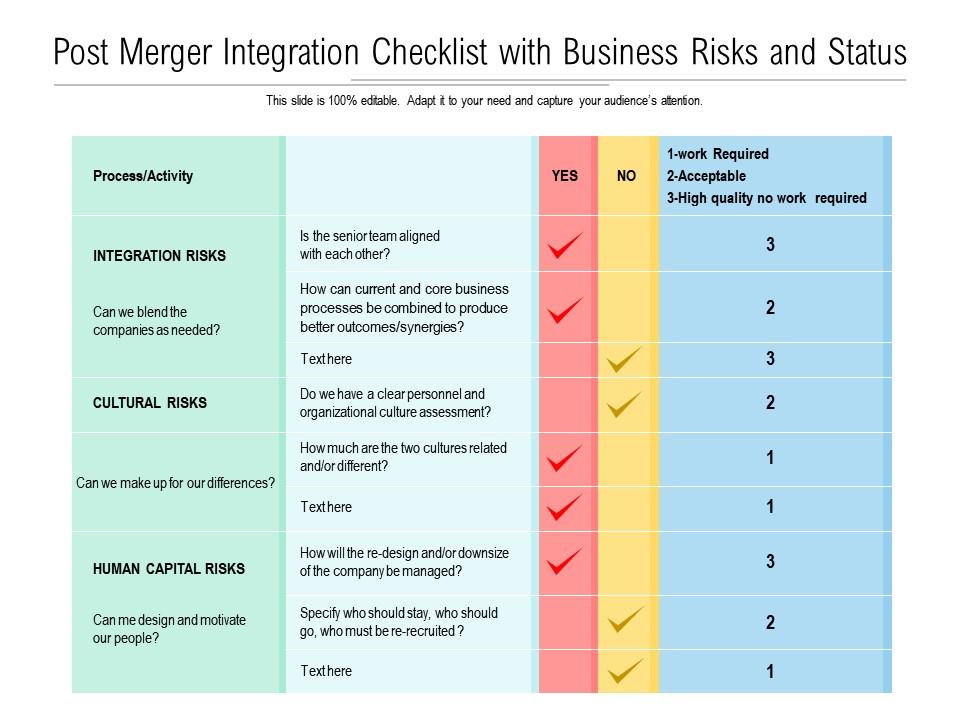
Furthermore, a successful leader prioritizes operational efficiency by leveraging financial data to inform decision-making. By integrating financial management best practices and risk management strategies, the CFO can guide their organization through acquisition integration and business planning. This forward-thinking approach enables the company to seize opportunities in the healthcare sector, particularly as it relates to burgeoning areas such as biotechnology and cellular immunotherapies. A leader's capacity to balance short-term financial goals with long-term strategic development is crucial for sustainable growth.
Lastly, cultivating a team-focused atmosphere enhances the organization’s ability to tackle its objectives. Through team building and a commitment to respect and trust, a CFO can motivate employees to excel in their roles, ultimately contributing to enhanced corporate operations. Encouraging a culture of continuous improvement and aligning individual contributions with the company’s success principles not only drives cost reduction but also positions the organization as a leader in the healthcare industry. In doing so, the CFO establishes a legacy of innovation and resilience that will serve the company well into the future.
Future Trends in Healthcare Finance
Learn More from Jeffrey Hammel
The healthcare finance landscape is undergoing significant transformation driven by technological advancements and changing regulations. One of the most prominent trends is the increasing adoption of artificial intelligence and data analytics to drive decision-making processes. CFOs are leveraging these technologies to enhance financial forecasting, assess risk management more effectively, and optimize operational efficiency. As a result, organizations are better positioned to navigate the complexities of financial management while improving their agility in responding to market shifts.
Another critical trend is the growing emphasis on value-based care models. These models shift the focus from volume to value, encouraging healthcare providers to improve patient outcomes while managing costs effectively. CFOs play a pivotal role in facilitating this transition by developing financial strategies that reward quality care and efficiency. By fostering collaboration across departments and building strong relationships with clinical leaders, CFOs can ensure that financial and operational objectives align to support overall business strategy.
Lastly, private funding is becoming increasingly vital, particularly for innovations in biotechnology and cellular immunotherapies. As the demand for cutting-edge cancer treatments grows, CFOs must develop strategies to secure capital through investments and partnerships. This will enable healthcare organizations to fund research and development, expand services, and enhance competitiveness. By integrating financial management with business development efforts, CFOs can position their organizations for success in an evolving marketplace.