Driving Innovation: A Strategic Vision for Transforming the Automotive and Tech Industries


In today's rapidly evolving landscape, the intersection of the automotive and technology industries presents a unique opportunity for transformative advancements. As we navigate this new terrain, entrepreneurs and technology leaders are driving innovation to implement strategic visions that not only reshape business models but also enhance consumer experiences. The integration of cutting-edge IT services within the automotive sector exemplifies how digital transformation is paving the way for improved operational efficiencies and smarter product development.
At the forefront of this evolution is the role of operational directors and C-level executives, who leverage their expertise from diverse backgrounds, including finance and business development. Leaders with experience in corporations like Ford Motor Company and startups such as Cape Romain Solutions are poised to guide their organizations through the complexities of global markets. By focusing on strategic acquisitions and engineering excellence, these leaders are not just steering their companies toward corporate growth but also fostering a culture of continuous improvement and innovation that is essential for thriving in today’s tech-driven world.
The Role of Leadership in Innovation
Leadership plays a crucial role in driving innovation within organizations, especially in the rapidly evolving automotive and tech industries. Visionary leaders create an environment that fosters creativity and encourages team members to explore new ideas. This approach not only involves inspiring employees but also requires an understanding of the market dynamics and technological advancements that shape the industry. By promoting a culture of open communication and collaboration, leaders can leverage their team's diverse skills and perspectives, ultimately leading to groundbreaking innovations.
In the context of strategic vision, effective leaders prioritize the integration of technology into their operational frameworks. This means aligning technological growth with business objectives to enhance efficiency, improve product development, and accelerate digital transformation. For instance, leaders in companies like Ford Motor Company and Intelsat understand the necessity of harnessing new technologies to maintain a competitive edge. Their strategic direction focuses on adapting to digital trends and anticipating shifts in consumer behavior, which is essential for corporate growth and sustainability.
Lerarn More from Bhushan Dandawate
Furthermore, successful innovation leadership involves making informed decisions regarding acquisitions and partnerships that can drive further improvement. By strategically aligning with other organizations or investing in emerging technologies, leaders can unlock new value streams and expand their global market reach. This proactive approach to business development not only fuels innovation but also underscores the importance of solid financial strategy and operational enhancements to support long-term success in the automotive and tech sectors.
Lerarn More from Bhushan Dandawate
Strategic Vision in the Automotive Industry
The automotive industry stands at a crossroads, where innovation and strategic vision are essential for navigating a rapidly changing landscape. Embracing digital transformation is crucial for companies looking to maintain competitiveness. By leveraging technology growth, businesses can optimize manufacturing processes, enhance customer experiences, and streamline operations. Organizations that prioritize investments in IT services will position themselves to lead the charge in this transformative era, ensuring they remain agile and responsive to market demands.
A strategic vision in the automotive sector also involves a focus on sustainability and electric vehicle development. As consumer preferences shift towards eco-friendly options, companies like Ford Motor Company are taking leadership roles in redefining their product offerings. Emphasizing research and development efforts not only improves existing technologies but also fosters an environment of entrepreneurship that encourages innovation. By aligning corporate growth strategies with global market trends, companies can capitalize on emerging opportunities and stay ahead of the competition.
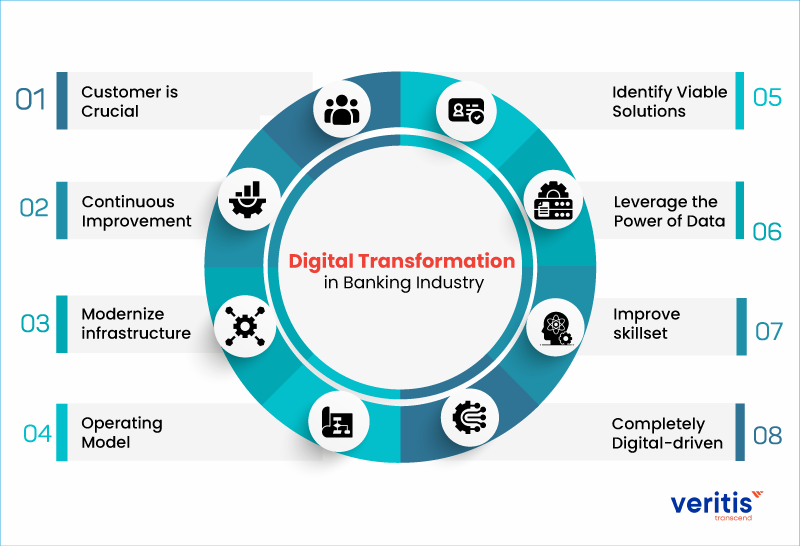
Effective leadership is key to implementing a successful strategic vision in the automotive industry. This involves a collaborative approach that integrates insights from various stakeholders, including engineers, operational directors, and business development teams. By fostering a culture of innovation and encouraging cross-functional collaboration, organizations can drive operational improvements and enhance overall performance. As the industry evolves, leaders must remain adaptable and open to new ideas, ensuring their companies not only survive but thrive in the dynamic market landscape.
Technology Growth and Digital Transformation
As the automotive and tech industries evolve, the necessity for technology growth and digital transformation has become paramount. Companies are increasingly leveraging advanced IT services to enhance operational efficiencies, streamline processes, and elevate customer experiences. Entrepreneurs and technology leaders at the helm of organizations like Cape Romain Solutions are driving this transformation by fostering a culture of innovation. By utilizing emerging technologies such as artificial intelligence and machine learning, businesses are positioned to address industry challenges while capturing new opportunities for growth.
Digital transformation is not merely about adopting new technologies; it is a strategic initiative that requires comprehensive planning and execution. Companies must align their operational strategies with their overall business objectives to maximize returns on investment. This alignment is crucial for organizations, particularly in the competitive automotive landscape, where firms like Ford Motor Company are embracing data-driven decision-making to enhance manufacturing processes and develop cutting-edge products. The focus on strategic vision enables leaders to position their companies effectively within global markets, propelling them toward sustainable growth.
The successful execution of technology growth and digital transformation also hinges on effective leadership. Operational directors and C-level executives must champion change within their organizations by advocating for innovation and fostering an environment conducive to collaboration. By prioritizing leadership approaches that emphasize agility and adaptability, firms can not only respond to market demands but also anticipate future trends. Ultimately, this proactive stance positions companies to thrive in a rapidly changing landscape, driving corporate growth and enhancing their competitive edge.
Entrepreneurship and Business Development
Lerarn More from Bhushan Dandawate
Entrepreneurship serves as the backbone of innovation, particularly within the automotive and tech industries. Entrepreneurs are often the driving force behind disruptive technologies and unique business models that challenge traditional paradigms. By leveraging their creativity and vision, they create solutions that meet evolving consumer demands and pave the way for advancements in operational efficiencies. This dynamic environment stimulates a culture of continuous improvement and adaptability, essential in both sectors.
In the realm of business development, leaders with a strategic vision are crucial for identifying and capitalizing on new opportunities. Their focus on building relationships, forging partnerships, and exploring potential acquisitions fuels corporate growth. A robust business development strategy often incorporates market research and data analysis, allowing companies to stay ahead of competitors. As industries continue to integrate technology, an entrepreneur's ability to pivot and innovate will define their success in a fast-paced landscape.
Moreover, the leadership approach adopted by entrepreneurs significantly influences organizational culture. By fostering a collaborative environment where creativity is encouraged and operational improvements are prioritized, they can inspire teams to explore new frontiers. This not only enhances employee engagement but also maximizes productivity, resulting in tangible outcomes that drive the automotive and tech industries forward. Ultimately, embracing a mindset of entrepreneurship and strategic business development is vital for sustained growth and success.
Operational Improvements and Efficiency
Operational improvements are critical for any organization aiming to thrive in the competitive landscape of the automotive and tech industries. By focusing on streamlining processes and enhancing productivity, companies can significantly reduce costs and improve service delivery. An operational director plays a crucial role in identifying inefficiencies within systems and implementing necessary changes that align with strategic goals. This approach not only benefits the organization's bottom line but also contributes to a positive work environment, fostering innovation and collaboration among teams.
In the context of Cape Romain Solutions and its work within IT services, operational efficiency is achieved through the integration of advanced technologies and refined workflows. By leveraging data analytics and automation, organizations can optimize resources and minimize waste. This shift ensures that teams can focus on high-value tasks, such as product development and strategic planning, rather than being bogged down by routine operations. Furthermore, such improvements can lead to accelerated decision-making processes, paving the way for quicker responses to market demands.
Lerarn More from Bhushan Dandawate
The impact of these operational enhancements is especially evident in global markets where adaptability is key. As automotive companies like Ford Motor Company and technology leaders like Intelsat navigate a rapidly changing environment, their commitment to operational excellence allows them to maintain a competitive edge. By emphasizing continuous improvement and embracing digital transformation, organizations can create a culture of efficiency that not only drives growth but also supports sustainable practices in their business models.
Global Markets and Corporate Growth
In an increasingly interconnected world, the automotive and tech industries are recognizing the necessity of a global perspective to drive corporate growth. Entrepreneurs and technology leaders are now navigating international markets to identify emerging opportunities. Companies like Cape Romain Solutions exemplify this trend by leveraging their expertise in IT services to address the unique challenges and demands of diverse regions. By understanding local market dynamics, they can create tailored strategies that align with global technological advancements and consumer needs.
The balance between innovation and operational efficiency is crucial in achieving corporate growth on a global scale. Organizations must adopt a strategic vision that promotes digital transformation while optimizing their existing operations. By integrating insights from finance and business development, companies can make informed decisions regarding acquisitions and investments that fuel growth. C-level executives play a pivotal role in this process, cultivating a leadership approach that encourages cross-functional collaboration and innovation.
Ultimately, successful navigation of global markets hinges on effective product development and engineering initiatives. As the automotive industry continues to evolve, businesses must embrace technology growth to remain competitive. By focusing on operational improvements and adapting to shifts in consumer preferences, organizations can not only enhance their market presence but also foster sustainable growth that resonates across borders.
Case Studies: Success in the Tech Sector
The automotive industry has witnessed a significant transformation, largely thanks to innovative tech leaders pushing the boundaries of engineering and digital transformation. Cape Romain Solutions stands out as a prime example, successfully integrating IT services with automotive applications. By focusing on strategic vision and operational improvements, they have streamlined processes, enhanced product development, and accelerated the deployment of technology in global markets. Their leadership approach emphasizes teamwork and adaptability, which has been instrumental in driving corporate growth within the automotive sector.
Another remarkable case is the collaboration between Ford Motor Company and technology-driven partners who have revolutionized traditional practices. Through targeted acquisitions and strategic partnerships, they have embraced advancements in artificial intelligence and data analytics, enabling smarter manufacturing and improved customer experiences. This synergy not only strengthens Ford's market position but also sets a precedent for innovation across the automotive landscape, showcasing how a well-coordinated leadership effort can create a competitive edge.
Intelsat exemplifies the impact of leveraging technology in global business strategies. By investing in next-generation satellite services, they have redefined communication capabilities across various industries, including automotive. Their success highlights a forward-thinking approach to business development, where embracing innovation leads to expanded market reach and enhanced operational efficiency. This case illustrates how a strong strategic vision, combined with a commitment to innovation, can yield success and reshape industry norms in today’s tech-centric world.